

Farmers this week found a large piece of metal from the fuselage of SpaceX Crew-1 in a remote enclosure in rural Australia. Although not every day, the return of rocket bodies (space debris returning to Earth) can be a trend.
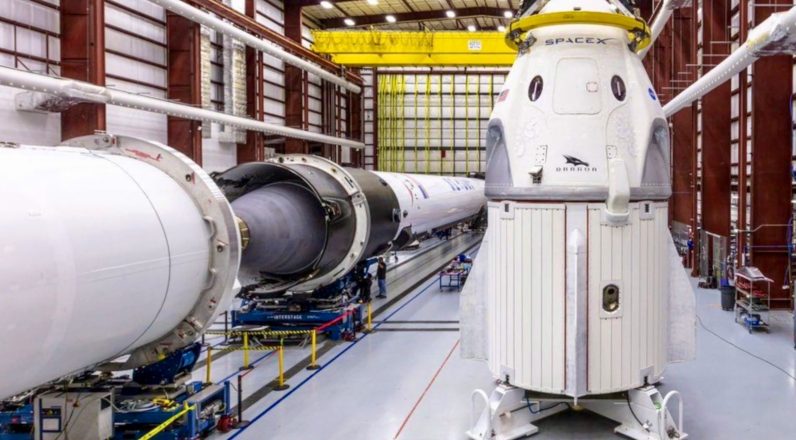
Dr. Brad Tucker, an astrophysicist and cosmologist at the Australian National University's Mount Stroll Observatory, went to have a look. He confirmed that the fragments of the rocket were 3 meters long and weighed 20-30 kilograms.
That sounds like a fun thing to tell your grandkids, but it points to a bigger problem: space debris.
What is space debris and why is it a problem?

The term space debris refers to machinery and debris left by humans in space, and can range from dead satellites to paint splotches.
Most space debris orbits the Earth or burns up in the atmosphere. But it's traveling at such a high speed (about 15,700 miles per hour in low Earth orbit) that even a small fragment could hit a spacecraft and cause damage.
According to NASA, there are about 23,000 pieces of debris larger than a softball in Earth's orbit. The Department of Defense's Global Space Surveillance Network (SSN) sensors track more than 27,000 pieces of orbital debris.
And the waste of technology acquired decades ago is not the only problem.
By 2020, more than 60% of launches into low Earth orbit carried damaged rocket components into orbit. To make matters worse, 24,000 satellites (mostly robotic) are set to enter space in the next 10 years, opening up the possibility of more space debris.
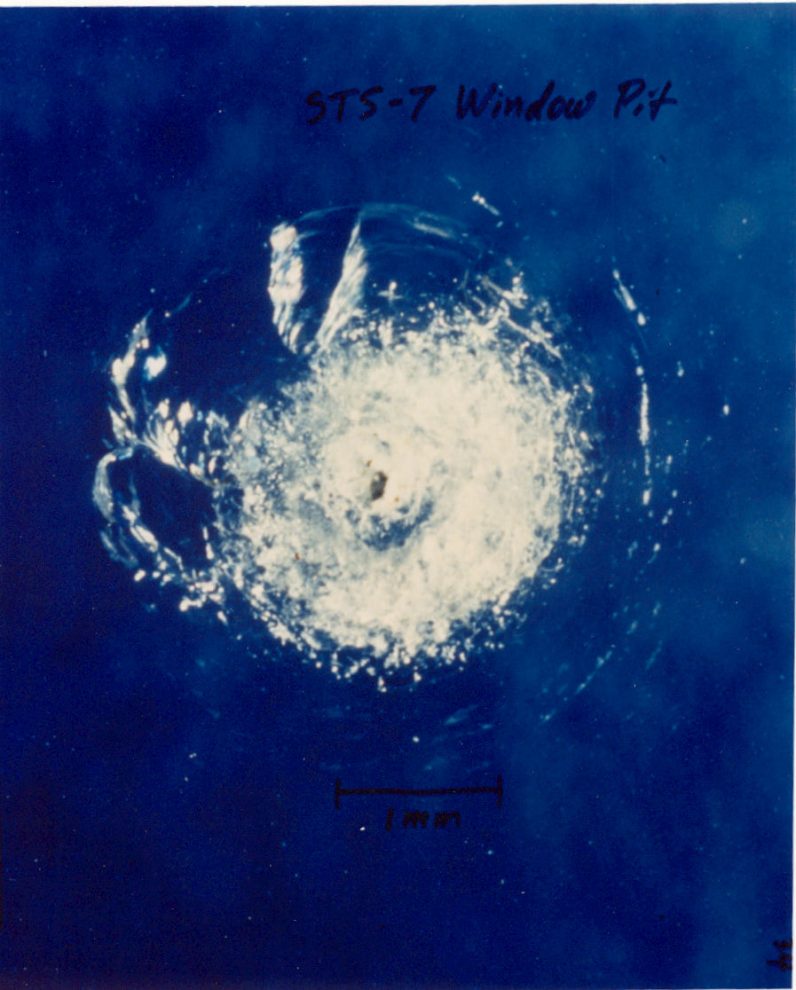
Because space real estate is cluttered with debris, it can be difficult to position satellites correctly. This creates a danger of collision between spacecraft and satellites. The ink, traveling at 17,000 miles per hour, could cause significant damage to a satellite.
Imagine a world without functional satellites. Time tracking, live event streaming, stock market analysis and ATMs will all be closed.
And according to researchers, space debris that can withstand the heat from debris entering the atmosphere can be deadly. In fact, it causes serious accidents on land, at sea and in aircraft.
The risk of getting hit increasesCanadian scientists recently published research in Nature Astronomy; This predicts a 10% chance of death from collision with one or more flying (or potentially infrastructure-damaging) debris. Small rocket fragments falling on planes could kill hundreds, researchers say.
For example, in 2016, SpaceX abandoned the second stage of the orbital rocket. A month later, he returned to Indonesia with two refrigerator-sized fuel tanks that arrived intact. Fortunately, none of the houses, animals or people were injured.
Where are the space police when you need them?At the international level, there is no clear and universally accepted threshold for the lethality of space debris. NASA programs estimate the acceptable risk of human deaths to be less than 10,000.
But your worst position increases the risk.
Canadian researchers found that the latitudes of Jakarta, Dhaka, Mexico City, Bogota and Lagos are at least three times more likely to see fallen missile components than Washington, DC, New York, Beijing and Moscow.
But has anyone been hit by space debris?
In 1997, Lottie Williams was hit by a ball of space debris flying in the sky of Oklahoma. Fortunately, he was not hurt.
But space debris can land on power lines, cars, trains, agricultural machinery or populated areas.
Discover space technology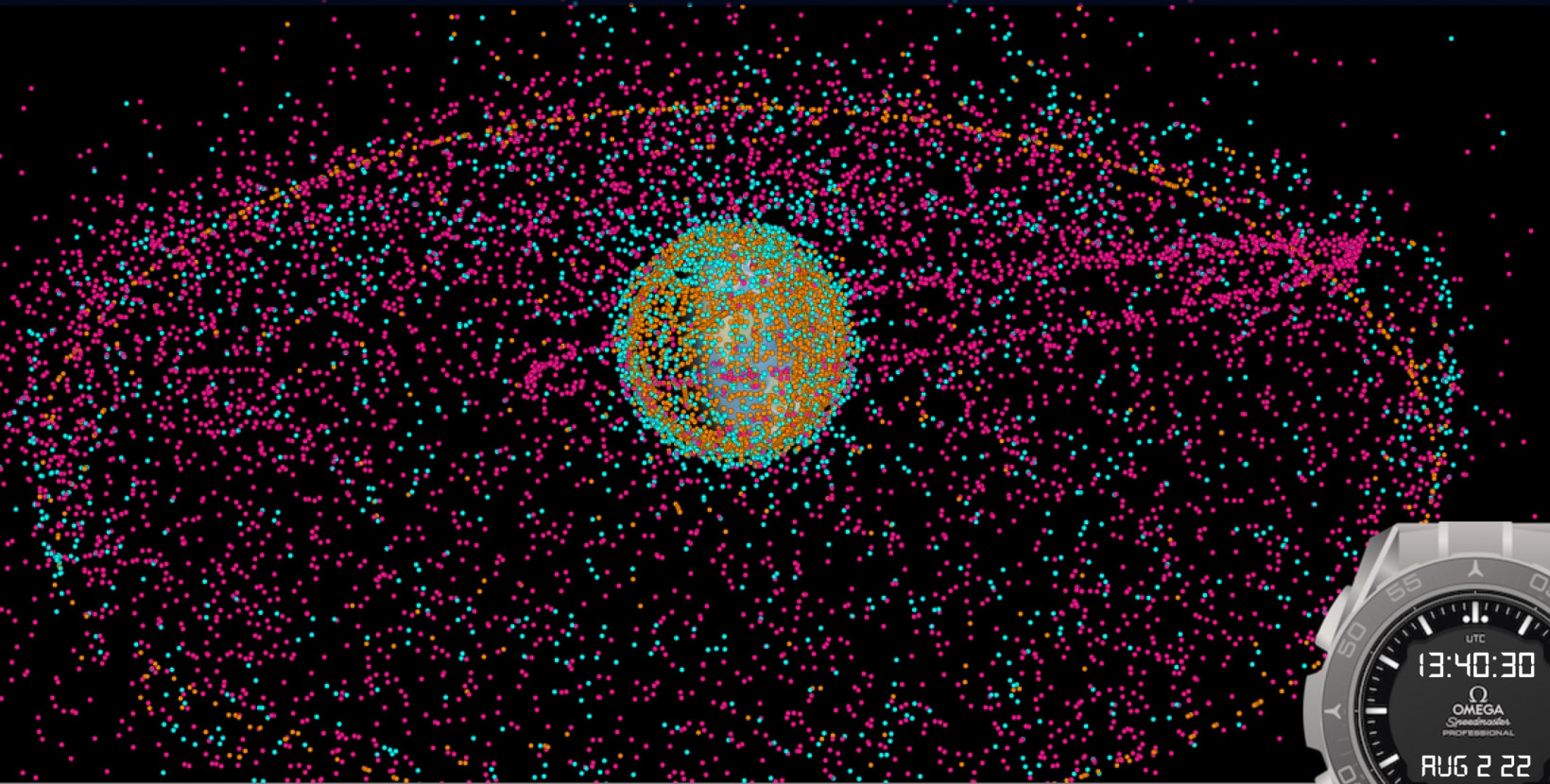
Tracking space debris has become an industry in itself. Apple founder Steve Wozniak is president of a newly formed industrial company: Pvt.
Earlier this year, it launched a space tracking program called WayFinder. View and track orbiting satellites and space debris based on data from the US Space Command, Planet Labs, JSC Vimpel (Russia) and SeeSat-L.
It is useful for space enthusiasts, as well as researchers and lobbyists who want to solve the problem of space debris.
So how do we tackle this huge challenge? Governments whose populations are at high risk of exposure to space debris should be required to re-introduce guided missiles with serious consequences for non-compliance, Canadian researchers say.
I feel that we are still a long way from such a step, but I suspect that soon the problem will become too big for governments to ignore.

