
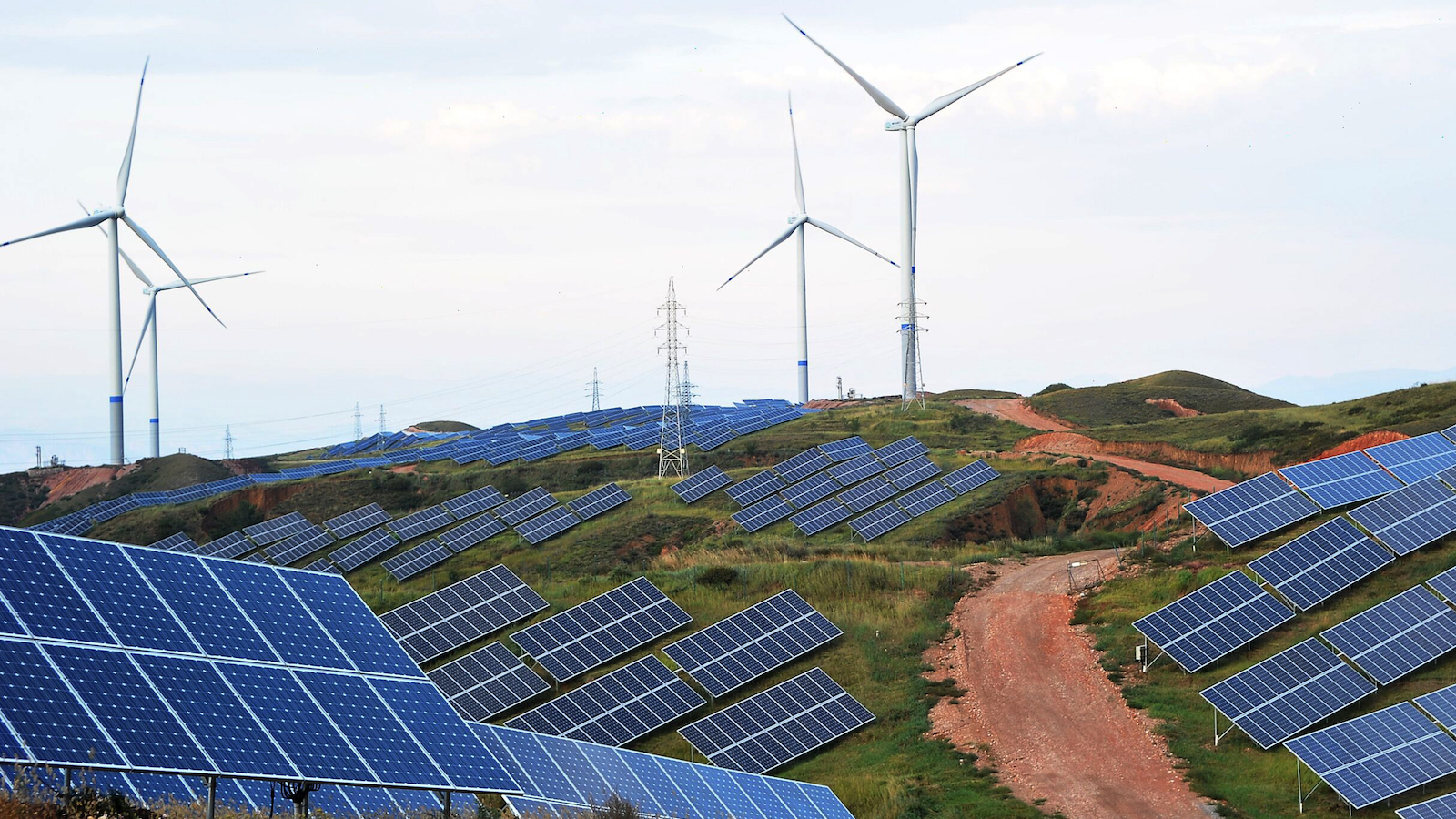
The Sahara desert is one of the most unstable environments on the planet. But could it be the key to solving our energy problems? Interest in using solar energy to generate electricity in the Sahara is growing. In fact, deserts have some of the best solar resources on the planet, with direct sunlight most of the year and very little cloud cover. In addition, there is a large area where panels can be placed to generate a significant amount of energy.
The Sahara desert is an unusual and mysterious place. With stretches of golden sand dunes contrasting with the beautiful blue sky, it's no wonder this area attracts so many tourists. The beautiful landscape combined with the wild heat coming out of this dry space reminds us how powerful nature is. There is plenty of sunshine in the Sahara desert all year round, but it is enough to create an environment of extreme temperatures and harsh conditions where life struggles to survive. These intricate assessments are what make this region so spectacular and exciting; it really tests your courage and ability.
Solar panels can harness this energy, but there are challenges
Solar energy is an abundant resource, but it is largely untapped. We all know that solar panels can be a great way to harvest that energy, but there are some challenges to overcome. Although the technology has improved a lot in recent years, it is still not mainstream. one of the challenges is to educate and convince people of its potential benefits. Also, solar panels are expensive and may not always be cost-effective given the high upfront costs. These factors may discourage many people from taking risks, but who knows how far we can go by continuously improving technology and reducing costs?
Building and maintaining solar panels in the desert is a particular challenge, as harsh environmental conditions can quickly destroy them. Hot days were replaced by cold nights, sandstorms could bring debris, and sunlight shone on them day after day. Not to mention that the cost of building and maintaining this solar panel is undoubtedly quite high. Significant planning and dedication is required to find innovative ways to affordably install the necessary infrastructure.
The Sahara desert is a very difficult environment to build any kind of technology, let alone solar parks. Attempts to introduce renewable energy in the region have so far been unsuccessful due to extreme temperatures, severe sandstorms and a lack of available resources. It's a difficult challenge, but with the right preparation and a long-term vision, it can be met for a cleaner, healthier planet. Although it may seem like a difficult task, it is not impossible.
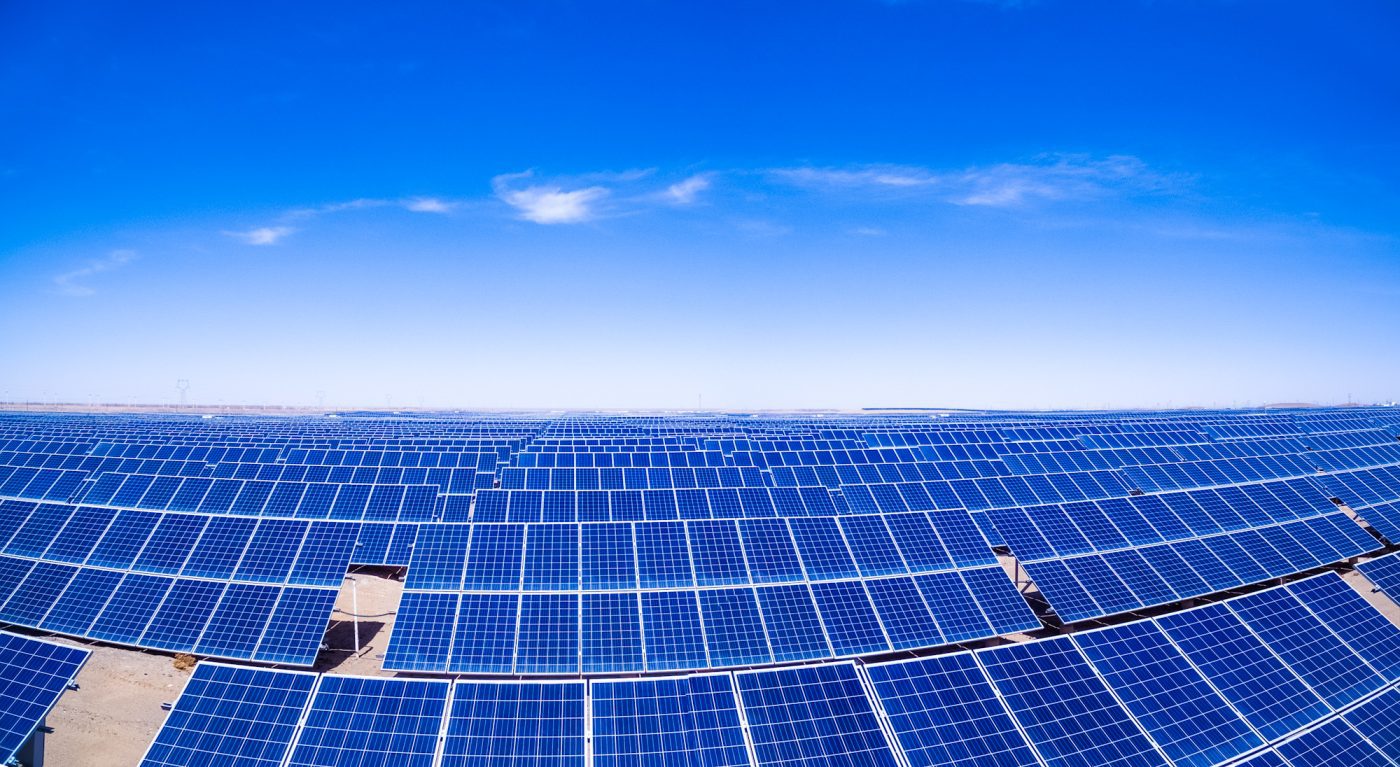
While the rewards may seem high, there are also many political and social complexities to consider when considering the possibility of deploying a photovoltaic system in the Sahara. First, land ownership is often disputed between governments and regional companies, so institutions must resolve land issues before settlement is possible. In addition, the disruption of traditional livelihoods and lifestyles must be taken into account when implementing new technologies. In the future, it will be important to ensure the support of the local population in the face of possible disturbances related to the installation of a photovoltaic system. However, understanding the political and social barriers offers opportunities for mutual understanding between companies or governments and local communities to improve the effectiveness of all actors.
Has anyone ever tried to build a solar park in the desert?
In recent years, several ambitious plans to build solar parks in desert areas have been launched. The Bhadla Solar Park in Rajasthan, India (2,700 MW) and the Longyangxia Dam Solar Park (2,400 MW) in China are the two largest experiments. Hainan's Huanghe Solar Hydroelectric Park (2,200 MW) with more than 7 million PV modules installed was a new record in the desert at the time, and India's Pavagada Solar Park (2,050 MW) was another commendable achievement. In addition, in the future, China plans to build 450 GW of renewable energy facilities, including wind power, in the Gobi desert.
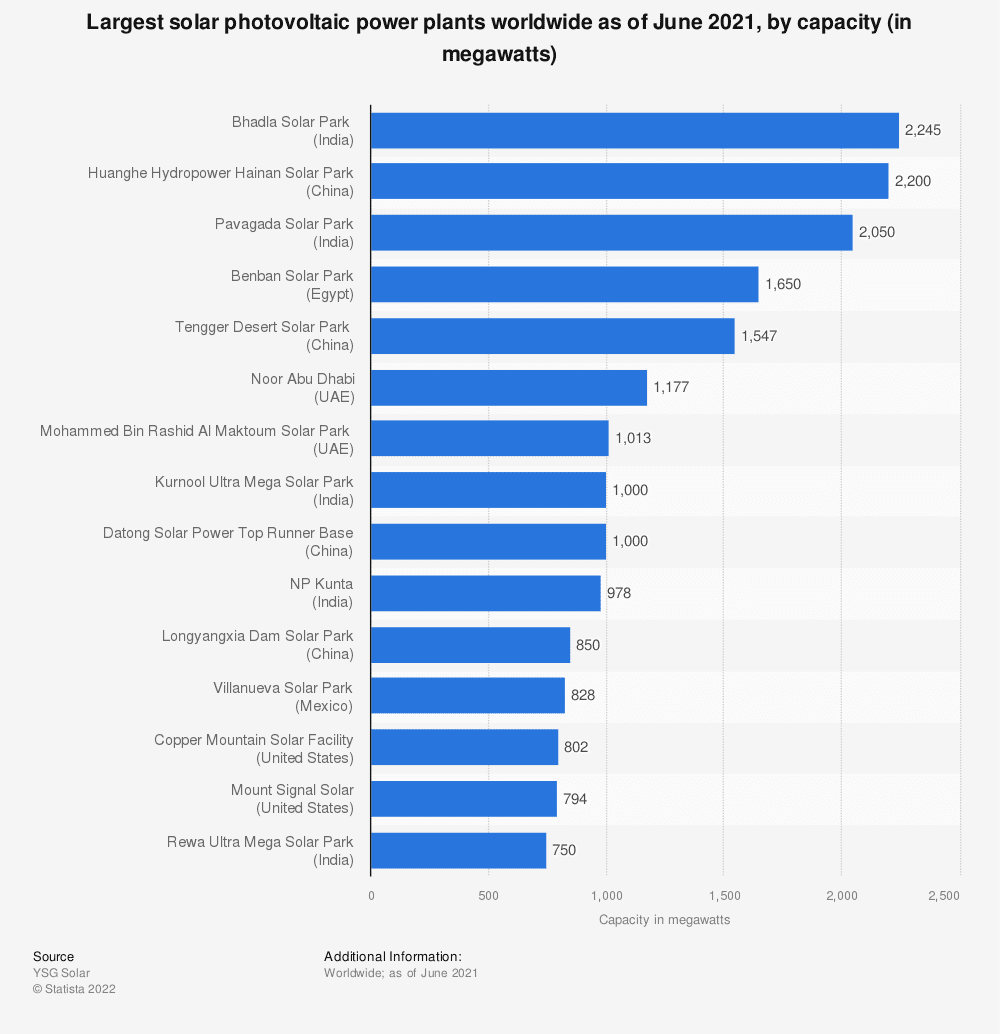
In its development, the Benban solar park in Egypt (1,650 MW) has become one of the largest solar parks in the world with an area of 37 km². The Tanger Desert Solar Park (1,547 MW) in Zhongwei, China, and the Mohammed bin Rashid Al Maktoum Solar Park (1,313 MW) in Dubai are notable names and are also aiming to set a new record for massive solar. Whether or not you can identify all these places as desert is irrelevant. The point is, in general, such projects are possible, although quite difficult to measure and maintain, but potentially profitable and certainly useful as renewable energy.
Final thoughts and what else to watch
The Sahara desert is a harsh and barren space that receives plenty of sunlight. Solar panels can harness this energy, but there are many issues to consider before undertaking such a project. The costs of building and maintaining solar panels are enormous and difficult to operate in a harsh environment. There are also political and social challenges to consider. Despite all these problems, covering the Sahara desert with solar panels is an interesting idea worth exploring. To learn more about this idea, watch Dan Quartler's TED talk below for more pros and cons.
YouTube Why don't we cover the desert with solar panels? - Dan Quarterer
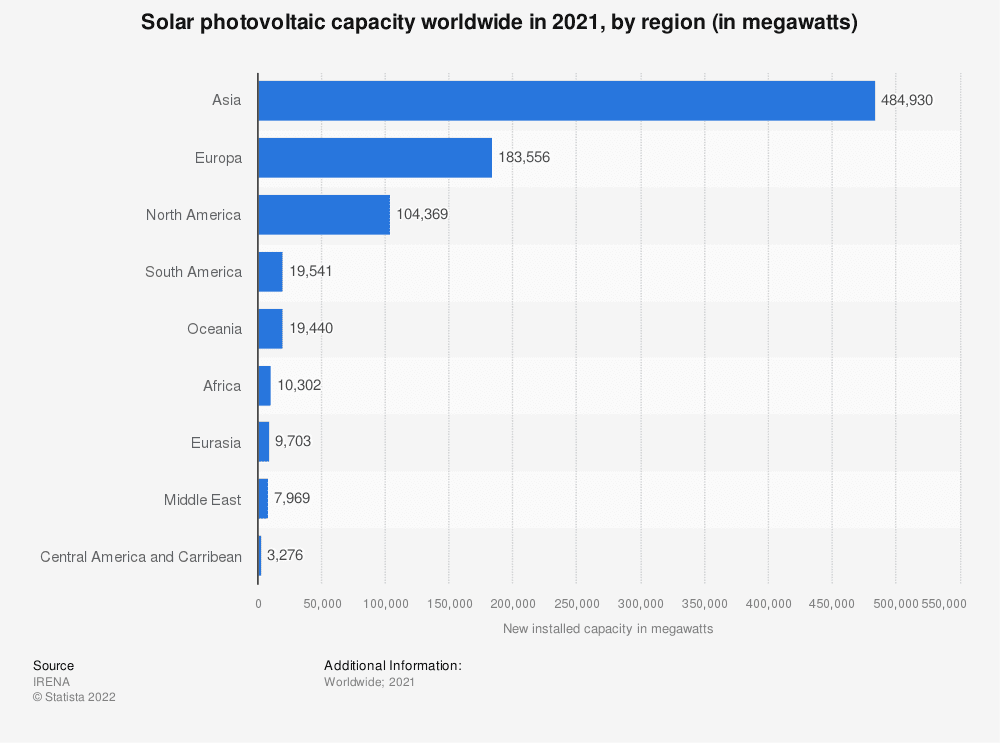
Photo credits: Main article image and photo are iconic and taken by Chunkin. Infographic with statistical data prepared by Statista.
Source: Existing data on solar farms taken from the list of the world's largest solar power plants according to Wikipedia.
Did this article help you? If not, let us know what we missed.

